A Step-by-Step Guide to Rallying the Community Around a Playground
Picture a vibrant new playground where kids can climb, explore, and discover together. The idea is exciting, but how do you secure funding, coordinate volunteers, and turn your concept into a thriving play space?
Communities nationwide have successfully accomplished this goal by following a defined plan. You can use their examples to inspire you as you gather buy-in.
This guide breaks down the proven steps that can generate buzz and enthusiasm for your project.
What Are the Benefits of Community Involvement?
Engaging local leaders from the start delivers long-term benefits that impact the play space and project timeline. Consider these advantages of rallying your community around a playground.
- Cost savings: Community builds can significantly reduce total project costs, freeing up funds for high-quality equipment or future expansions.
- Better fundraising: Local engagement makes it much easier to secure political support, corporate sponsorships, and volunteer labor.
- Lower risk of vandalism: Pride of ownership naturally discourages vandalism, saving facilities money on repairs and upkeep.
- Stronger community connection: Shared investment in the project strengthens neighborhood bonds and creates a gathering place people enjoy.
- Tailored features: Input from parents and educators can highlight the specific play elements and safety measures that best serve the facility.
- Inclusivity: Community feedback makes the playground genuinely welcoming to children of all abilities.
- Safety first: Invite stakeholders to identify potential hazards or logistical challenges before construction begins.
Planning a Community Playground in 5 Steps
These five stages transform an initial vision into a play space where children can thrive.
1. Form Your Planning Committee
Significant change often starts with a handful of passionate people. A well-organized committee of engaged collaborators creates accountability, thus preventing tasks from falling through the cracks.
Start by recruiting stakeholders who bring diverse perspectives and strengths. Consider the following:
- Parents understand what children need from play experiences.
- Teachers recognize developmental benefits and practical considerations.
- Local business owners may be willing to provide cash or in-kind sponsorships.
- Community leaders provide the credibility that’s sometimes necessary to secure approvals and permits.
Define responsibilities before your first committee meeting to keep the project on track. For example, you could assign people to your fundraising, volunteer management, communication, and design oversight subcommittees.
2. Define Your Project Vision and Goals
Creating a shared vision that the whole community can get behind starts with listening. Organize town halls, surveys, and focus groups to gather input from families, educators, and neighborhood residents. This feedback becomes the foundation for a mission that motivates donors and volunteers.
Survey people to ensure the playground design reflects their needs. Should your neighborhood have more inclusive play options? Do specific themes or features resonate with local culture? What age groups will the playground serve? The answers to these questions will establish your guiding principles.
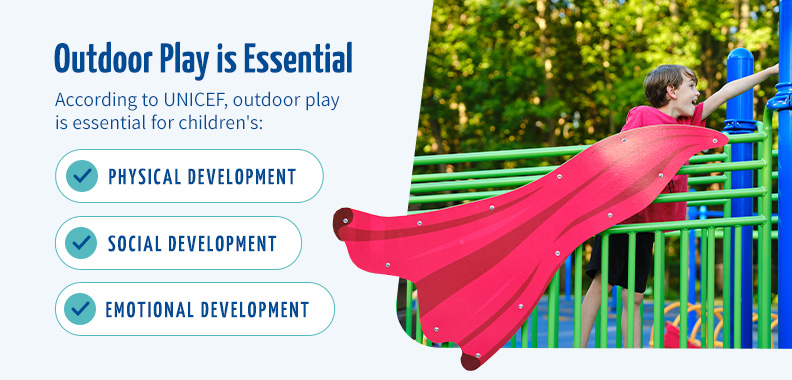
According to UNICEF, outdoor play is essential for children’s physical, social, and emotional development. This developmental impact is a powerful reason for community members to invest their time and resources. When planning community park features, consider how an inclusive and accessible design can benefit every child through imaginative play experiences.
3. Create an Actionable Plan and Budget
Break your project into manageable pieces. Develop a realistic timeline with achievable milestones, from site selection and design approval to fundraising targets and construction dates. This roadmap keeps committees focused and communicates progress.
Estimate the total project costs beyond equipment, including site preparation, surfacing materials, installation labor, landscaping, and ongoing maintenance. Understanding the full financial picture prevents surprises that could later derail your momentum.
Explore different design options that fit the budget while honoring the community’s vision. Some projects may phase construction over time, starting with core equipment and adding features as additional funding becomes available. These playground planning resources offer guidance on balancing ambition with practical constraints.
4. Secure Funding for Your Project
Money is a significant hurdle for most playground projects, but communities have more resources than many people realize. In 2024, Americans gave nearly $600 billion to causes they cared about. That charitable spirit extends to local projects that benefit children.
Pursue funding through grants from federal, state, and local agencies. Organizations like the Land and Water Conservation Fund offer specific grant opportunities for recreation projects. Grant money can make the effort of completing the application worthwhile.
Organize community-based fundraising events to build excitement and begin generating revenue. Walkathons, community dinners, auction nights, and crowdfunding campaigns turn fundraising into opportunities for connection. These events remind people that the playground belongs to everyone.
Approach local businesses for sponsorships. Companies often allocate budgets for community investment and appreciate the positive visibility that comes with supporting family-friendly projects.
5. Mobilize Volunteers and Build Local Excitement
Sustaining community buy-in for new park playgrounds requires consistent communication and opportunities for participation. Use social media, email newsletters, and local media coverage to share updates, celebrate milestones, and recognize contributors. Transparency about progress and challenges builds trust.
Recruit volunteers for tasks that match their skills and availability. Some people can commit to committee roles, while others prefer helping with specific events or construction activities.
The National Philanthropic Trust found that more than 54% of Americans informally helped their neighbors in recent years. That willingness to support local causes creates a deep pool of potential volunteers.
Consider organizing a “build day” or launch event that turns the playground’s opening into a community celebration. These gatherings create shared memories and collective ownership that lasts long after that first day. After all, community is caring — it takes a village to create spaces where our children can flourish.
Get Started With Little Tikes Commercial
You may be pleasantly surprised by how much headway your project makes when you bring dedicated local leaders on board. From recruiting your initial committee to cutting the ribbon on opening day, you now have a guiding plan for turning your idea into a space where children can flourish through imaginative play.
Little Tikes Commercial specializes in creating play environments that inspire wonder and develop life skills. Whether your community would benefit from a themed adventure, an inclusive design welcoming children of all abilities, or a custom concept unlike anything else, Little Tikes Commercial can bring your vision to life.
Ready to get started? Request a quote to start the conversation, or explore custom playground options that reflect what makes your community unique.